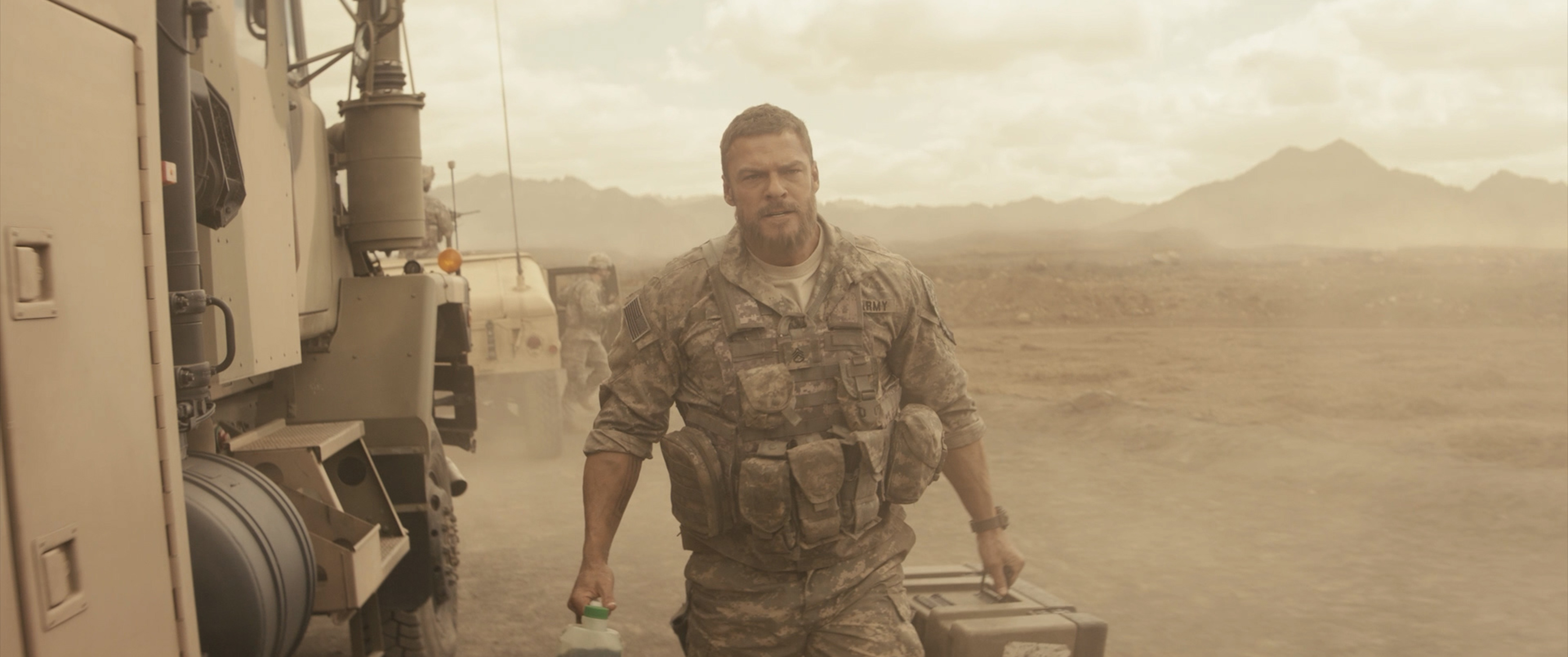
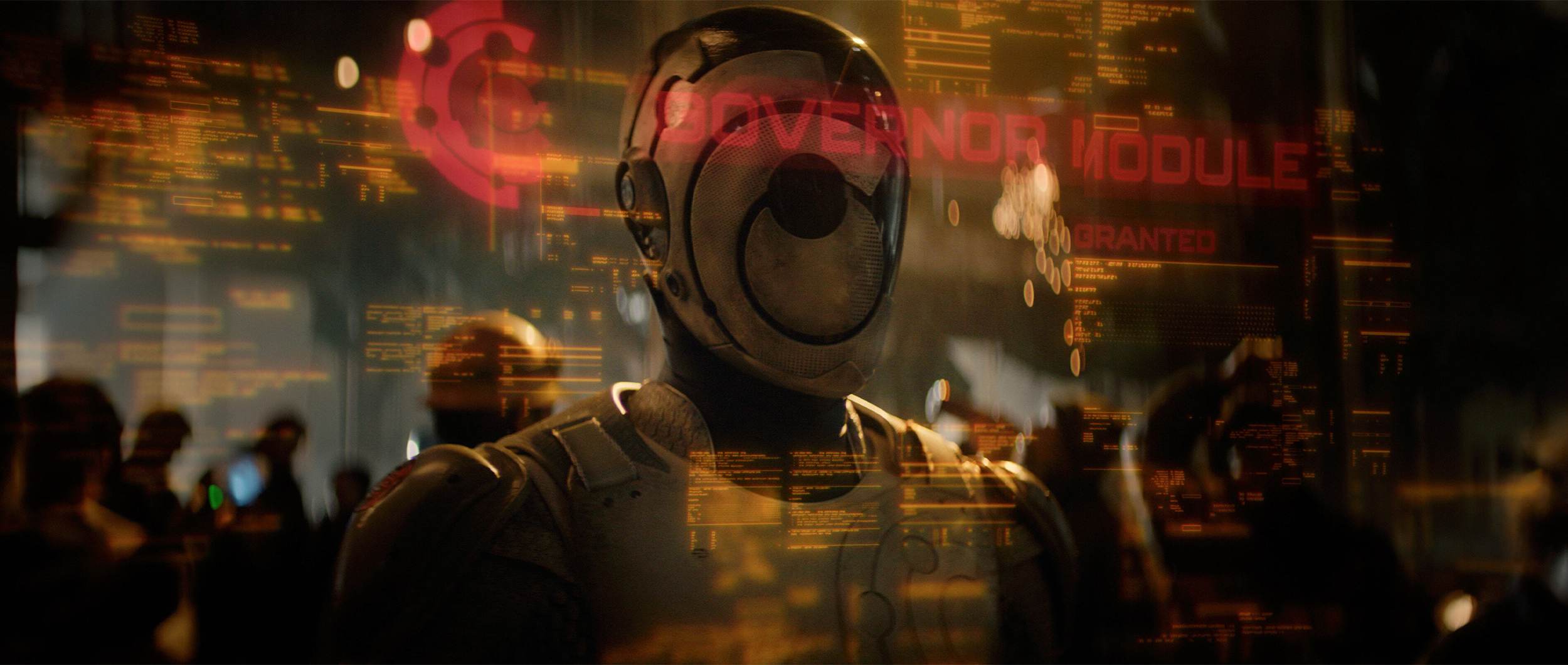
Alien: Earth premiered on August 12th 2025 and quickly topped Disney+ and Hulu charts in 70+ countries. The opening episodes drew 9.2 million global views in six days. Critics called it “a triumph,” noting “an atmospheric, slow‑burn thriller that echoes the best of the franchise” while moving the mythology forward.
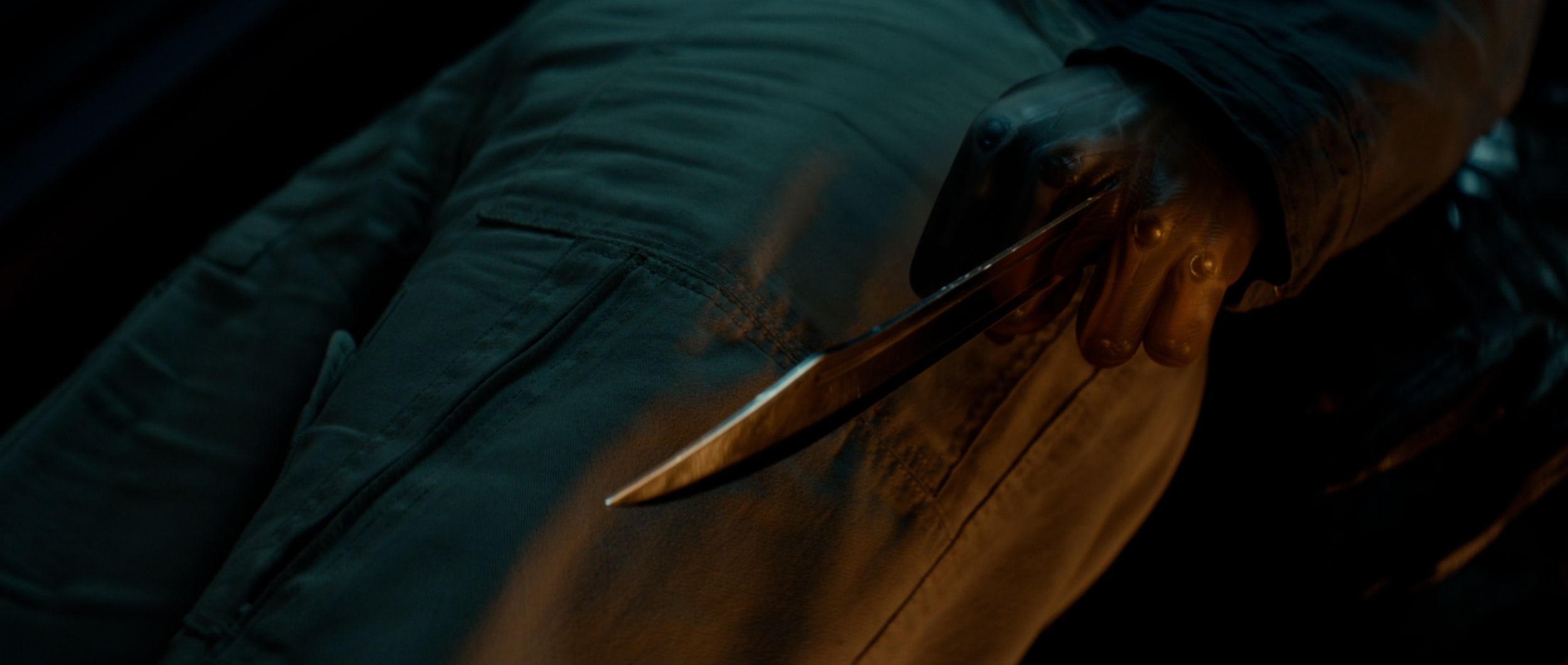
FIN Design + Effects partnered with the production from pre‑production through final delivery to build the MorrowArm — a hero asset that anchors the series’ visual language. It appears in 300+ shots and was developed by a team of nearly 100 artists across design, modeling, rigging, lookdev, lighting, and comp.
Early design work covered mechanical, skeletal, and body‑horror directions, always anchored to the franchise’s design DNA. The material stack was central — a silicone‑like sleeve over hybrid mechanical/organic components suspended in gel, with Giger‑inspired translucency and visible internal workings to blend organic and mechanical cues.
Photorealism depended on how light moved through those layers. We balanced opacity, transparency, absorption, and refraction to hold the look across 30+ lighting environments. We built a robust shader “recipe” that worked out of the box, with controls for hero refinements.
Each shot started with roto‑animation of the actor from the plate. We built a full‑body digital double with arm variants to match on‑set prosthetics. Precise match‑move was critical, and we selectively enhanced the performance: the prosthetic sleeve gave solid track and lighting reference but limited micro‑gestures, so our animators restored subtle hand and finger movement in CG.
To scale, we used a plate‑driven lighting workflow: extracting lighting from the prosthetic to generate per‑shot mini‑HDRIs for consistent base lighting, then layering as needed. In comp, internal/external passes let artists tune metallic highlights, gel translucency, and silicone shaping, stitching the arm cleanly into the plate with accurate depth and interaction.
Mid‑production, the arm went through an extensive redesign. We adapted quickly, rebuilding lookdev and rig variants, and maintaining throughput across diverse lighting and shot types, keeping the asset consistent while the brief evolved.
Pipeline choices kept shots moving. Automated sims prevented internal intersections and added velocity‑based secondary motion within the gel. The arm rendered at ~10 minutes per 4K frame, holding up in close‑up without slowing the show.
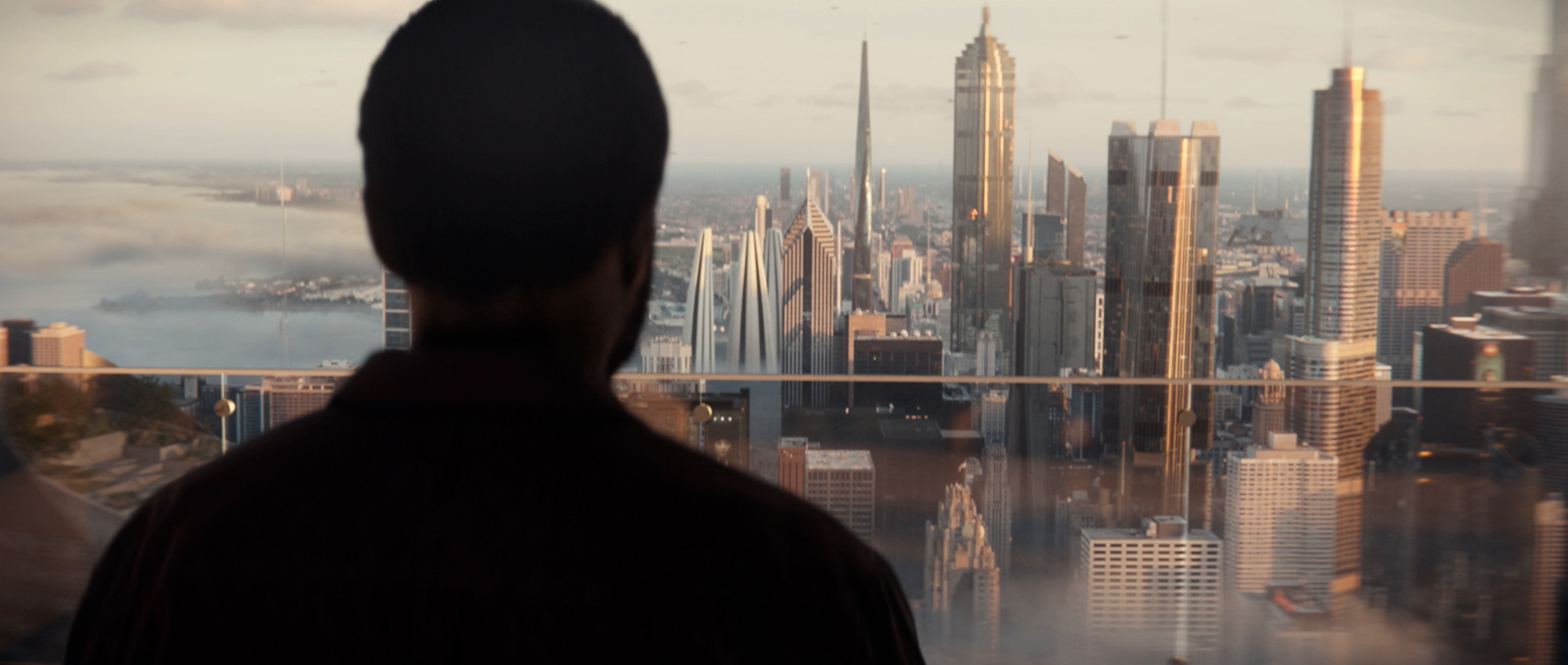
In parallel, we applied the same plate‑driven rigor to large‑scale environment work for Weyland‑Yutani’s city. Under production VFX supervisor Jonathan Rothbart, Chicago was set as the base; the brief was to evolve the skyline into a near‑future corporate capital. We curated helicopter flyover plates and designed a building kit informed by Yutani interiors and costume cues, merging Asian architectural language with present‑day Chicago. Using plate‑extracted lighting and deep comp, we turned simple stock passes into a cohesive future city grounded in the show’s world.
Together, the MorrowArm and the Yutani city work helped set the series’ look — from tactile, biomechanical horror in close‑up to a credible corporate future at skyline scale — delivered consistently through redesign and varied lighting across 300+ shots without slowing the schedule. As Head of Studio Alastair Stephen says: “Being entrusted with a key element of the mythology was both a challenge and a privilege. It's the kind of work we love to do and the result is something we're immensely proud of.”